
India is home to the largest child population in the world. The Constitution of India guarantees Fundamental Rights to all children in the country and empowers the State to make special provisions for children. The Directive Principles of State Policy specifically guide the State in securing the tender age of children from abuse and ensuring that children are given opportunities and facilities to develop in a healthy manner in conditions of freedom and dignity. The State is responsible for ensuring that childhood is protected from exploitation and moral and material abandonment.
More than one-third of the country’ s population, around 480 million, is below 18 years (NIH). India’s growth over the last two decades has contributed phenomenally to global human development. Extreme poverty in India reduced to 21 per cent, infant mortality has more than halved, some 80 per cent of women now deliver in a health facility and two million fewer children are out-of-school(UNICEF).
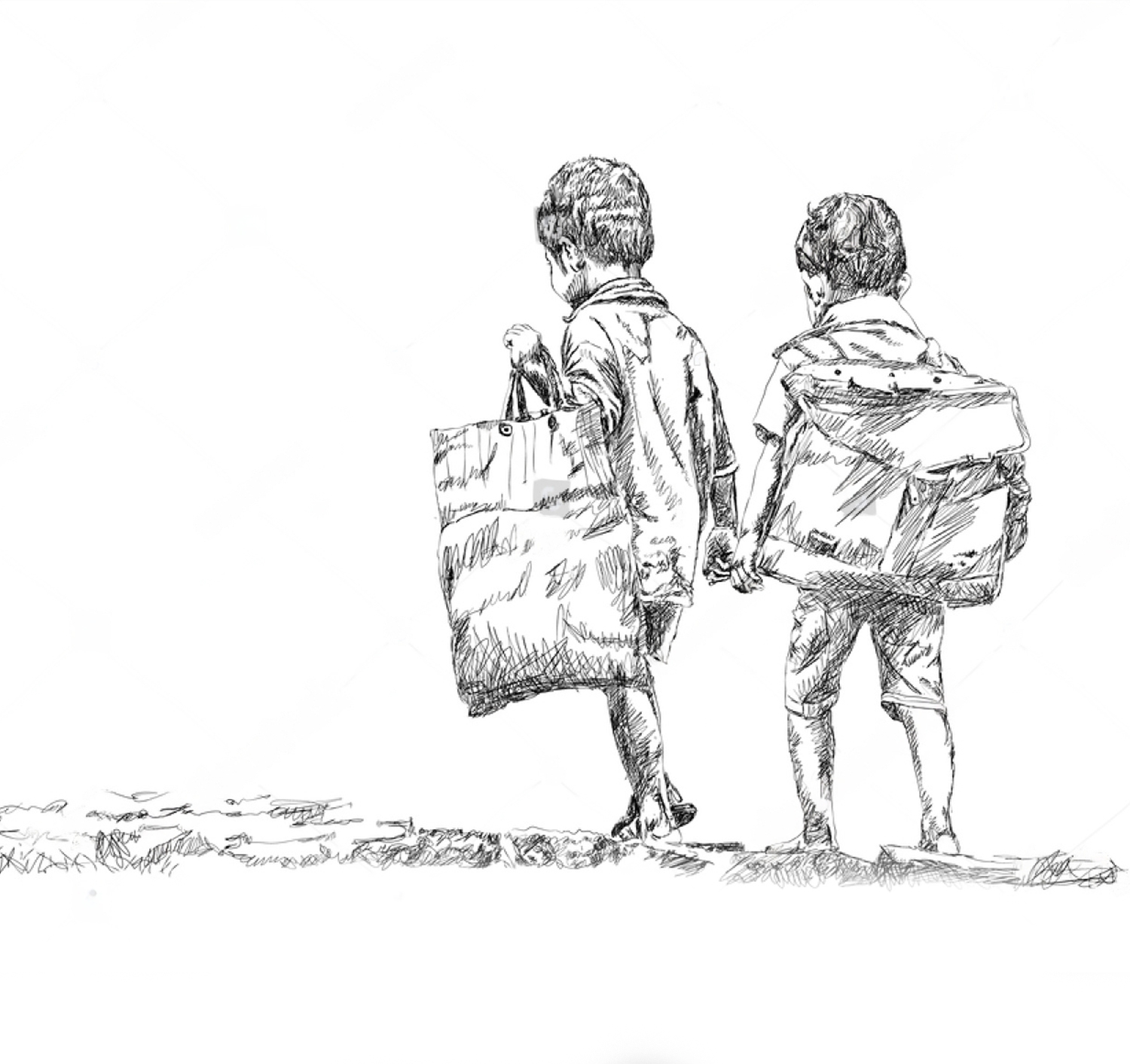
Our approach to learning is about how children learn in different ways and focuses on the development of positive attitudes towards learning and Participation. Engagement and persistence, Creativity and imagination develop children’s as good citizens and change makers. We dedicatedly focus on the early days of every child, where they need to develop a strong foundation towards decision making and negotiation. Also we focus on the four core principles of the Convention(UNCRC) Non-discrimination, Devotion to the best interests of the child. The right to life, survival and development that promote the joy of learning and enabling the environment.


Developing Enabling environment
Strengthen/Enhance parents- Child relationship
Capacity building- Needs/Rights/Legislation and Participation
System strengthens and Advocacy